Sena starts where the internal build ends
An internal team builds the connectors, the model, and the dashboard. Sena captures updated zero-party data from a 5M+ consumer network.
- 190+ countries
- 5M+ consumer network
- 250+ integrations
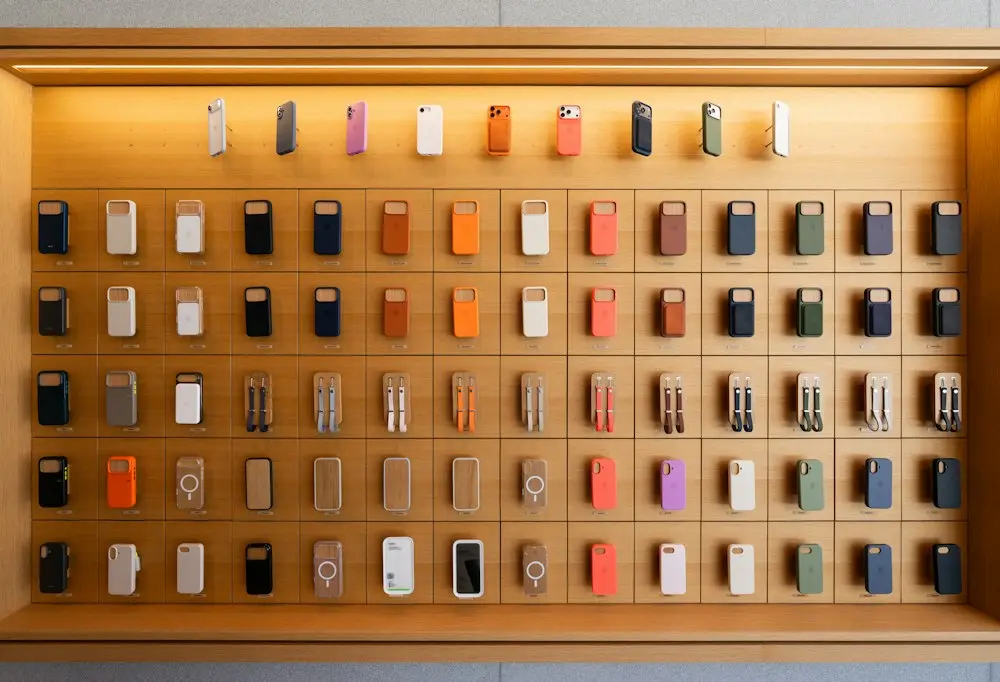 Market C · 24 Oct
Figures in this exchange are illustrative.
The build reads the company
An internal build answers in the company's own vocabulary, down to every renamed product and merged region. The boundary sits at what it reads.
The systems hold the record
An internal build reads CRM, ERP, POS, and the existing company files. The existing record is the company's own trace through the market.
- The company sells into a market that arrives as its sales lines
- A question about the category returns the company's share of it
- Everything past the system arrives as an estimate
Coverage follows the people available
People already cover the markets the company sells into. Every market past those starts at zero, and coverage grows at the speed of hiring.
- The first reading waits on a new hire
- Each further country starts over
The build costs the roadmap
Engineering time on the build comes off the product roadmap. The finished build reads up to the edge of the company's systems.
- The roadmap gives up whatever the build takes
- Maintenance lands on the same team after launch
- The answer arrives after the decision that prompted it
Where the internal stack ends
A build reaches the edge of what the company records. Sena carries the question past that edge with a capture on request. The team makes the market call on dated, geo-verified captures.
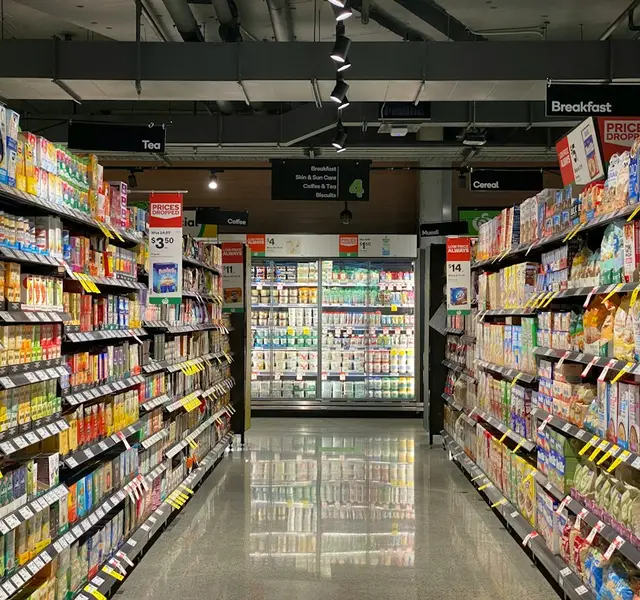 Store 1222 Oct · geo-verified
 Store 3123 Oct · geo-verified
 Kiosk 724 Oct · geo-verified
Figures in this exchange are illustrative.
The reach is the asset
A build extends what the systems already hold. The expansion call needs figures from the market itself.
A stronger model reaches the same systems
A market's current numbers come from inside it
The reach spans 190+ countries through a 5M+ consumer network
Sena reads past the systems
Sena weighs the stack already in place against the markets. Each market call gets one answer from both.
Sena reads the stack
Sena reasons across Salesforce, HubSpot, other CRMs, and the existing files, including ERP exports. It works on top of the existing stack across 250+ integrations.
Sena reaches past the systems
Sena captures zero-party data across Rwazi's 5M+ consumer network. Receipts, price checks, and geo-verified photos come back and record what the systems miss. Every capture is zero-party and verified by the multi-level QA flow.
The context sets once
Sena holds each user's objectives and KPIs between sessions, and every answer anchors to them. A business user with zero AI skills sets that context and gets a usable answer.
The answer arrives assembled
Sena marks each answer with a confidence level and a count of the sources behind it. Sena builds a PowerPoint deck from the conversation. The team decides which market to enter.
What the reach answers
Teams are asked to cover more markets with the existing headcount.
The build reads known markets
- Problem. A team built its own image reader, and the reader needed the team to bring every image.
- Solution. Sena orchestrates photo capture on request in the new markets. Each photo comes back geo-verified and dated.
- Impact. The expansion call weighs every candidate market on current figures, including the past coverage.
A new market starts empty
- Problem. Entering a market begins with zero internal record. The entry case rests on published material and an estimate.
- Solution. Sena sizes the market from a capture on request. It weighs local demand against the catalog and costs and finds the gap the portfolio can serve.
- Impact. The size of the first commitment rests on the market as it is today.
The portfolio hides entry points
- Problem. An internal build flags a loss-making SKU easily. It reads margin one SKU at a time.
- Solution. Sena weighs the financial data against what sells together in the same outlets. It returns entry-point candidates with what-if simulations.
- Impact. The cut lands on the SKU that costs money, and the entry point stays.
The hard part of building
A team has already worked on connectors, a model, and a dashboard. Sena brings the recent market calls on current figures.
- 01
Reach on request.
Zero-party data on request from a 5M+ consumer network in 190+ countries.
- 02
Capture quality.
Every capture clears multi-level QA with a dated source and verified location.
- 03
One product, one name.
Sena standardizes product and SKU name variants, so each product counts once.
- 04
Upkeep.
The team maintains the build regularly.
Where each one wins
An internal build wins on fit. The team knows its own numbers and exceptions, and it beats generic systems.
The build fits the company
An internal build models the company's own numbers the way the business works. The engineering team owns the pipeline and its upkeep.
Sena brings in the market
Sena reasons across CRM records and orchestrates a capture on request in each new market. The team sizes each market on current figures, while the engineers stay on the roadmap.
See what Sena reaches
Integrations
Sena works with 250+ integrations, Salesforce and HubSpot among them.
Open Integrations Sena moduleSena Connect
Sena joins each uploaded file to every earlier upload from that user.
Open Sena Connect Sena moduleComputer Vision
Sena turns one image into fields for product, price, and availability.
Open Computer VisionSena tests one move
The demo tests one move on an example plan before any budget commits.
Questions asked before demos
01Should a team build or buy analytics?
Both, in most cases. An internal team builds on the company's own systems because it knows the joins and the exceptions. Build versus buy analytics turns on reach past those systems. Sena adds that reach with market data on request across 190+ countries.
02What does an in-house data team cost?
The salaries are the visible part. The larger cost is engineering time, because the engineers who would build this already carry the roadmap. Upkeep then lands on the same team. A build shaped to the company's own systems returns answers about those systems.
03How long does an internal build take?
The connectors, the model, and the first dashboard are familiar work for a capable team. Reach into markets the company has yet to enter is the slow part. Sena already has that reach in place.
04What does an internal build do better?
Fit. The team inside the company knows its numbers, its joins, and its exceptions. A build shaped to them beats anything generic on the company's own data. That advantage holds everywhere the company already records.
05How is Sena different from an internal build?
Sena is Rwazi's decision AI with access to real-world data. An internal build works from what the company's systems already recorded. Sena reasons across those systems and brings in market data on request. Every capture arrives dated, located, and cleared by multi-level QA.
06Does Sena replace the internal stack?
Sena works on top of the dashboards, reporting, and analytics already in place. It reasons across connected CRMs and whatever those systems export. The build keeps its job and gains the markets it was reading around.
07Can an internal team cover 190+ countries?
It can, one country at a time. Rwazi already runs a 5M+ consumer network across all of them. Sena can orchestrate a capture in any of them.
08What sits outside the systems a company runs?
Prices on labels, what people bought and where, and which outlets carry the product. The markets ahead of the company sit there too. These exist in the world before they exist in any record. Recording them takes a capture, which Sena orchestrates on request.
09What is a build vs. buy analysis?
A build vs buy analysis weighs making a capability in-house against acquiring it. The analytics version weighs fit against reach. An internal build fits the company's own systems, and Sena supplies the reach past them.
10What happens to the build after Sena arrives?
It keeps running. Sena reasons across connected CRM records and files exported from the build. The build becomes one of the sources behind each answer, and the boundary moves outward.