Industry.
Sector deep-dives, fintech, telecom, retail, hardware, energy. How they win, where they break.
All Industry articles.

How to Measure Brand Equity: Methods, Formula, and Score
Brand equity measurement in three methods: financial, customer-based, and market-based. The formula, a worked example, and how to build a brand equity score.
 Benedicta PhilemonDecision Intelligence Analyst
How to gather market intelligence: The 5-step process
Check out the five-step market intelligence process. Start from the decision, choose your sources, run the collection continuously, check quality, and then make the call.
Benedicta PhilemonDecision Intelligence Analyst
Supply market intelligence: A guide for procurement teams
Supply market intelligence for procurement teams: what it covers, how to run the process, and how to turn it into a stronger negotiating position.
Benedicta PhilemonDecision Intelligence Analyst
How to make better data-driven decisions?
Check out data-driven decision-making in four steps. Frame the decision, gather the data, weigh the options, and then decide with evidence somebody can trace.
Benedicta PhilemonDecision Intelligence AnalystThe real difference between brand health vs brand equity
Brand health is how your brand is doing right now. Brand equity is the value it has built over years. Check out the difference, the metrics, and which to track.
Benedicta PhilemonDecision Intelligence AnalystBrand Tracking Studies: How to Design and Run One
How to run a brand tracking study: the metrics, the questionnaire, sample and market design, cadence, and whether to build it in house or buy it.
Benedicta PhilemonDecision Intelligence Analyst16 Brand performance metrics: what to track and why
Brand performance metrics are grouped into recognition, perception, and commercial. What each measures and how often to read it.
Benedicta PhilemonDecision Intelligence Analyst
Shopper Segmentation: Models, Types, and How to Build One
Shopper segmentation groups people by how they shop. The four shopper types, the models, FMCG examples, and how to build one.
Benedicta PhilemonDecision Intelligence Analyst
Best Brand Equity Measurement Tools in 2026
Compare brand equity measurement tools of 2026, from daily trackers to continuous real-world measurement. See which fits your team.
 Joseph RutakangwaCo-founder & CEO, Rwazi
Best Retail Analytics Software and Platforms in 2026
Compare the 14 best retail analytics software of 2026 by category, scale, and cost, and see where Decision AI goes beyond them.
Joseph RutakangwaCo-founder & CEO, Rwazi
Brand health tracking: The metrics that predict revenue
What is brand health tracking, the core brand health tracking metrics, and which ones actually predict revenue? A 2026 guide for marketers.
Benedicta PhilemonDecision Intelligence Analyst
Zero-Party Data
Zero-party data is what customers share with you on purpose. See examples of how it differs from first- and third-party data, and why it matters.
Benedicta PhilemonDecision Intelligence Analyst
Best brand tracking tools and software
Check out the 7 best brand tracking tools for 2026 on methodology, price, and fit. Tracksuit and Latana to YouGov and Kantar.
Benedicta PhilemonDecision Intelligence Analyst
Ramadan 2026 consumer intelligence guide
Rwazi's real-time consumer data reveals how 1.8B shoppers across Asia, Europe and Africa are changing their spending habits, media timing and purchase journeys. Read the full intelligence brief.
Benedicta PhilemonDecision Intelligence Analyst
Google retains 90% search dominance despite the AI hype
Despite AI growth, Google still controls 90% of global search. Explore what this means for brands, publishers, and discovery strategies.
Benedicta PhilemonDecision Intelligence Analyst
AI user acquisition: adoption is now the competitive bottleneck
Alibaba leads China's AI chatbot race with $431M spend, showing that user adoption and habit formation now drive competitive advantage.
Benedicta PhilemonDecision Intelligence Analyst
Winning Strategies for real time consumer intelligence in 2026
In 2026, consumer behavior moves faster than quarterly reports. Real-time intelligence lets brands respond, personalize, and forecast before competitors do.
Benedicta PhilemonDecision Intelligence Analyst
Top 5 AI products driving US consumer searches this black friday
This Black Friday, AI-powered products are dominating US consumer searches, from smart kitchens to Mini PCs. Discover how these trends are reshaping shopping and what brands need to know.
Benedicta PhilemonDecision Intelligence Analyst
Social Media 2025: Habits Beat Hype
Established platforms like YouTube and Facebook stay dominant because habits are harder to break than trends.
Benedicta PhilemonDecision Intelligence Analyst
How retailers will win holiday 2025 without deep discounts
Holiday 2025 favors retailers who use personalized offers, BNPL, and loyalty programs. Shoppers want relevance, timing, and flexibility.
Benedicta PhilemonDecision Intelligence Analyst
The great AI market cap collapse
Ten major AI companies collectively lost $1.64 trillion in market capitalization between October 29 and November 7, 2025, the steepest correction in the sector's short but explosive history.
Benedicta PhilemonDecision Intelligence Analyst
See your competitor move with Lumora AI decision engine
Lumora turns zero-party consumer data across digital, retail, and distribution channels into real-time insights, letting brands predict competitor moves and act faster, smarter, and with confidence.
Benedicta PhilemonDecision Intelligence Analyst
Why global growth is stalling and where businesses can still win
The IMF expects global growth to hit 3.2% in 2025, down from pre-pandemic norms. Trade disruptions, tariffs, and policy uncertainty are reshaping who wins.
Benedicta PhilemonDecision Intelligence Analyst
How AI Agents are shaping finance and accounting for businesses
Generative AI is not just a tool; it's an autonomous force revolutionizing finance. AI Agents are set to drive the market from $1.95B to $15.69B by 2034, by automating bookkeeping (47.8% CAGR) and providing real-time credit scoring in emerging markets
Benedicta PhilemonDecision Intelligence Analyst
How consumer spending fueled a 3.8% growth rebound in the U.S. economy
After a year of global uncertainty, the U.S. economy grew 3.8% in Q2 2025, household spending led while business investment dropped 13.8%. What's next.
Benedicta PhilemonDecision Intelligence Analyst
AI avatars are taking over livestream shopping
AI avatars are reshaping livestream shopping in Indonesia. These digital hosts mimic human expressions, gestures, and voices in real time, streaming endlessly without fatigue. While they scale efficiency, human hosts still lead in trust and engagement, creating a hybrid future for digital commerce.
Benedicta PhilemonDecision Intelligence Analyst
How the U.S. holds $70 trillion in stocks while BRICS catch Up
The US holds $70T in stocks, more than every other country combined. China leads BRICS at $19.8T while India crosses $5T. What it means for investors.
Benedicta PhilemonDecision Intelligence Analyst
Global retail takeover: how multinationals are dominating Latin America
Foreign supply chains are reshaping Latin American retail. Carrefour, FEMSA, Walmex, and others use international logistics to dominate local markets, what it means for business leaders.
Benedicta PhilemonDecision Intelligence Analyst
AI compute power: a new measure of global influence in 2025
AI compute power is reshaping global influence in 2025. The US leads with 40M H100s, the UAE second at 23M, China hampered by chip restrictions. The new geopolitical currency.
Benedicta PhilemonDecision Intelligence Analyst
The VPN surge redefining digital access
Global spikes in VPN adoption reveal how essential digital access has become. Nepal saw a 2,892% surge in searches, while the UK recorded 1,987%. These surges highlight the economic stakes, the policy pressures, and the new openings for businesses.
Benedicta PhilemonDecision Intelligence Analyst
Digital nomads reshaping Latin America's cities
Digital nomads are reshaping Latin America's cities. Earning in dollars and euros, they spend $1,847/month, boosting coworking, cafés, and short-term rentals while pushing locals out.
Benedicta PhilemonDecision Intelligence Analyst
From IoT to AI: inside the $16.4 trillion frontier tech shift
The global tech market jumps from $2.5T in 2023 to $16.4T by 2033. AI surges from 7% to 29%, IoT, blockchain, EVs reshape the landscape. Where emerging markets stand.
Benedicta PhilemonDecision Intelligence Analyst
India overtakes China in the U.S. smartphone supply chain
India has overtaken China as the top smartphone exporter to the US, capturing 44% of imports in Q2 2025 (up from 13%). Apple's pivot reshapes global tech manufacturing.
Benedicta PhilemonDecision Intelligence Analyst
Rideshare in Mexico: why price, not brand, decides the market
Mexico's $3.3-4.5B rideshare market is dominated by price. Uber charges 161 MXN, DiDi 85, InDrive 92. 31% of riders switch apps comparing fares, loyalty belongs to value.
Benedicta PhilemonDecision Intelligence Analyst
A new era for delivery competition as China's Meituan bets $1 Billion on Brazil
China's Meituan is shaking up Brazil's $23.7B delivery market, taking on iFood with 10-20% commissions vs 27%. The battle could reshape how platforms compete across Latin America.
Benedicta PhilemonDecision Intelligence Analyst
What U.S. and China got right about e-commerce
The US and China are leading global e-commerce, not just through infrastructure but by shaping how people shop. US 33.7%, China 31.2% vs 17.3% global avg. South Korea jumps ahead mobile-first.
Benedicta PhilemonDecision Intelligence Analyst
Beyond tax havens: where business really happens in the global economy
Tax havens lower the tax bill but don't build the business. Analysis of 28,800 companies shows real operations happen in major economic hubs, US 10K+, UK 6.9K, Netherlands 6.4K secondary locations.
Benedicta PhilemonDecision Intelligence Analyst
Remittance money is reshaping global economies faster than foreign aid
In 2023, migrant remittances reached $822 billion, nearly 3× foreign aid ($288B). India alone received $111B. This household capital now drives demand faster than any aid program.
Benedicta PhilemonDecision Intelligence Analyst
Asia's startup surge: why the next silicon valley might be in the east
Bay Area still leads at 853 index score, but Asia closes fast. Singapore +4 spots, Bangalore and Delhi in top 11. OpenAI picks Singapore for APAC HQ.
Benedicta PhilemonDecision Intelligence Analyst
Music industry reaches new heights for consumers as digital innovation grows
Global music revenue hits $29.6B in 2023 (+4.8%). Streaming surpasses $20B (69% of revenue). Vinyl grows 4.6%, 18th straight year. Consumers crave both convenience and emotion.
Benedicta PhilemonDecision Intelligence Analyst
From soda to sustainability: how beverage giants are reinventing growth
Beverage leaders rebalance for premium, sustainability, and agile supply chains. Coca-Cola $312B, Kweichow Moutai $267B, PepsiCo $185B. Premium + localization + sustainability is the new formula.
Benedicta PhilemonDecision Intelligence Analyst
US consumer sentiment hits multi-year lows
US Consumer Expectations Index falls to 60, down 18% in one cycle. With 68% of GDP tied to consumer spending, the recalibration cuts across income, age, and politics.
Benedicta PhilemonDecision Intelligence Analyst
Consumers are shaping the markets and global capital is listening
Hong Kong Hang Seng +19.3%, DAX +18.1%, S&P 500 +1.6%. Capital follows consumer behavior, Asia's AI adoption, Europe's security focus, IPO shift to Hong Kong.
Benedicta PhilemonDecision Intelligence Analyst
How India's consumers are driving a ₹22 trillion logistics revolution
India's ₹22T logistics sector is re-engineered by consumers. 74% freight by road, 75% warehouse for industrial+consumer goods, 10%+ CAGR. Empowered consumer is the real disruptor.
Benedicta PhilemonDecision Intelligence Analyst
How private markets are redefining capital in America
US financial markets grew 185% in 20 years vs 88% GDP. Nonbank mortgage lenders jumped 12%→75%. Private equity-backed companies doubled to 11,800. Private capital is now $13.1T globally.
Benedicta PhilemonDecision Intelligence Analyst
The $4.3 trillion digital services driving the global economy
Digital services hit $4.3T in 2023 (13.8% of global trade), growing 8.2% CAGR. Europe leads 52.4%, US $649B, Asia 23.8%. AI-driven intelligence becomes the new edge.
Benedicta PhilemonDecision Intelligence Analyst
The power-hungry future of U.S. digital infrastructure
US data centers will consume 606 TWh by 2030, 12% of national electricity, up from 3%. That's $500B in new energy infrastructure investment. Digital transformation now equals energy transformation.
Benedicta PhilemonDecision Intelligence Analyst
India's rise as a global consumer giant
India is leaping into the global top 4 economies, but export growth slowed from 19.5% (1999-2011) to just 3%. The real story: 1.4B consumers becoming a digital-first, premium, values-driven market.
Benedicta PhilemonDecision Intelligence Analyst
The economics behind e-wallets' rise over credit cards
Mobile wallets are 84% of all transactions in China. Alipay and WeChat Pay charge 0.55-0.60% vs credit cards' 2-3%, redrawing global commerce economics.
Benedicta PhilemonDecision Intelligence Analyst
How China's electricity boom signals global consumer dominance
In a world where attention flits between economic reports and tech innovations, few notice one of the most powerful indicators of global transformation: electricity. Not the type that merely lights homes or charges phones, but the kind that powers economies, fuels industries, and reveals where the next wave of consumer
Benedicta PhilemonDecision Intelligence Analyst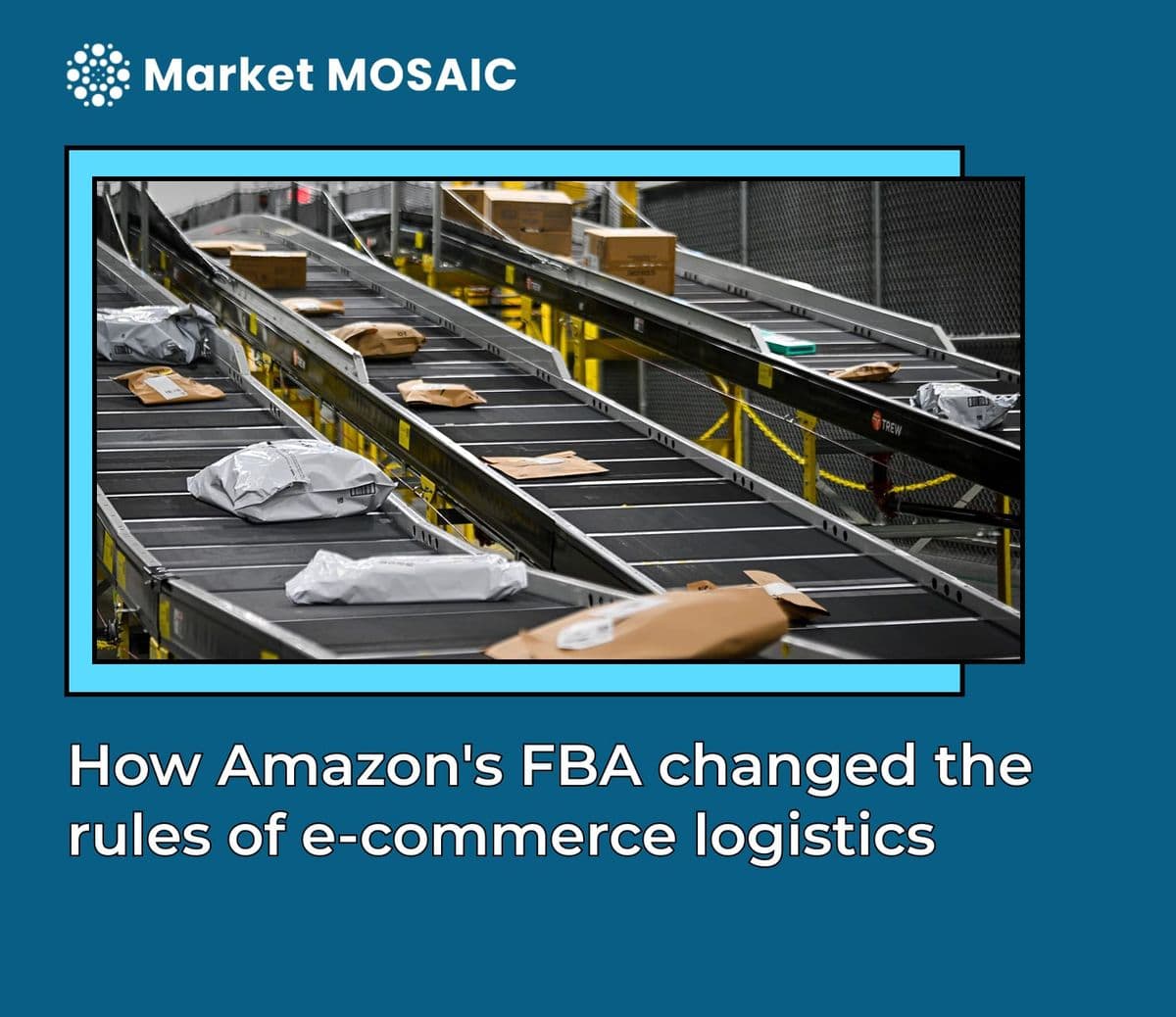
How Amazon's FBA changed the rules of e-commerce logistics
In 2006, Amazon introduced a service that promised to make life easier for online sellers: Fulfillment by Amazon (FBA). It wasn't flashy at first, just a backend logistics solution that stored, packed, and shipped products on behalf of third-party sellers. But behind the scenes, it was quietly reshaping the
Benedicta PhilemonDecision Intelligence Analyst
The end of Western monopoly on global demand
In the emerging global economy, power will no longer be defined solely by GDP, it will be determined by where growth is happening. By 2075, the structure of the global economy will be fundamentally transformed, with Asia emerging as its dominant force. Goldman Sachs' long-term projections place China at the
Benedicta PhilemonDecision Intelligence Analyst
Fast food inflation is eating away at its value promise
Over the past decade, fast food has quietly undergone a transformation, one that's catching both consumers and competitors off guard. Once heralded as the go-to option for affordable dining, fast food chains have steadily hiked their prices at a rate that now significantly outpaces broader food-away-from-home inflation. Between 2014
Benedicta PhilemonDecision Intelligence Analyst
How China is quietly overtaking the U.S. in global research & development
Global R&D spending soared to $2.75 trillion in 2023, but the real story lies beneath the headline, China's rise as a dominant innovation power, fundamentally altering the balance of global technological leadership. Once viewed primarily as the world's manufacturing hub, China is now a full-scale R&
Benedicta PhilemonDecision Intelligence Analyst
Inside the trillion-dollar export powering U.S. global dominance
In a world obsessed with tangible goods and industrial muscle, a quieter force is powering the United States' global economic leadership. It's not what America makes, it's what it knows. In 2024, U.S. services exports hit an unprecedented $1.11 trillion. Behind that figure lies a story not just
Benedicta PhilemonDecision Intelligence Analyst
How Americans turned gaming into a $72B mainstream movement
In 2024, the gaming industry in the United States reached a staggering $71.92 billion in revenue. But the most compelling number isn't financial, it's behavioral. According to our latest data, 71% of U.S. consumers played a video game in the past month, a figure that signals
Benedicta PhilemonDecision Intelligence Analyst
What Nvidia's $500B AI investment means for the future of tech
Nvidia is committing $500 billion to manufacture AI supercomputers entirely within the United States over the next four years. This is not just a headline-grabbing number. It is a clear signal that the battleground for artificial intelligence supremacy is shifting from code to concrete. With new production facilities planned in
Benedicta PhilemonDecision Intelligence Analyst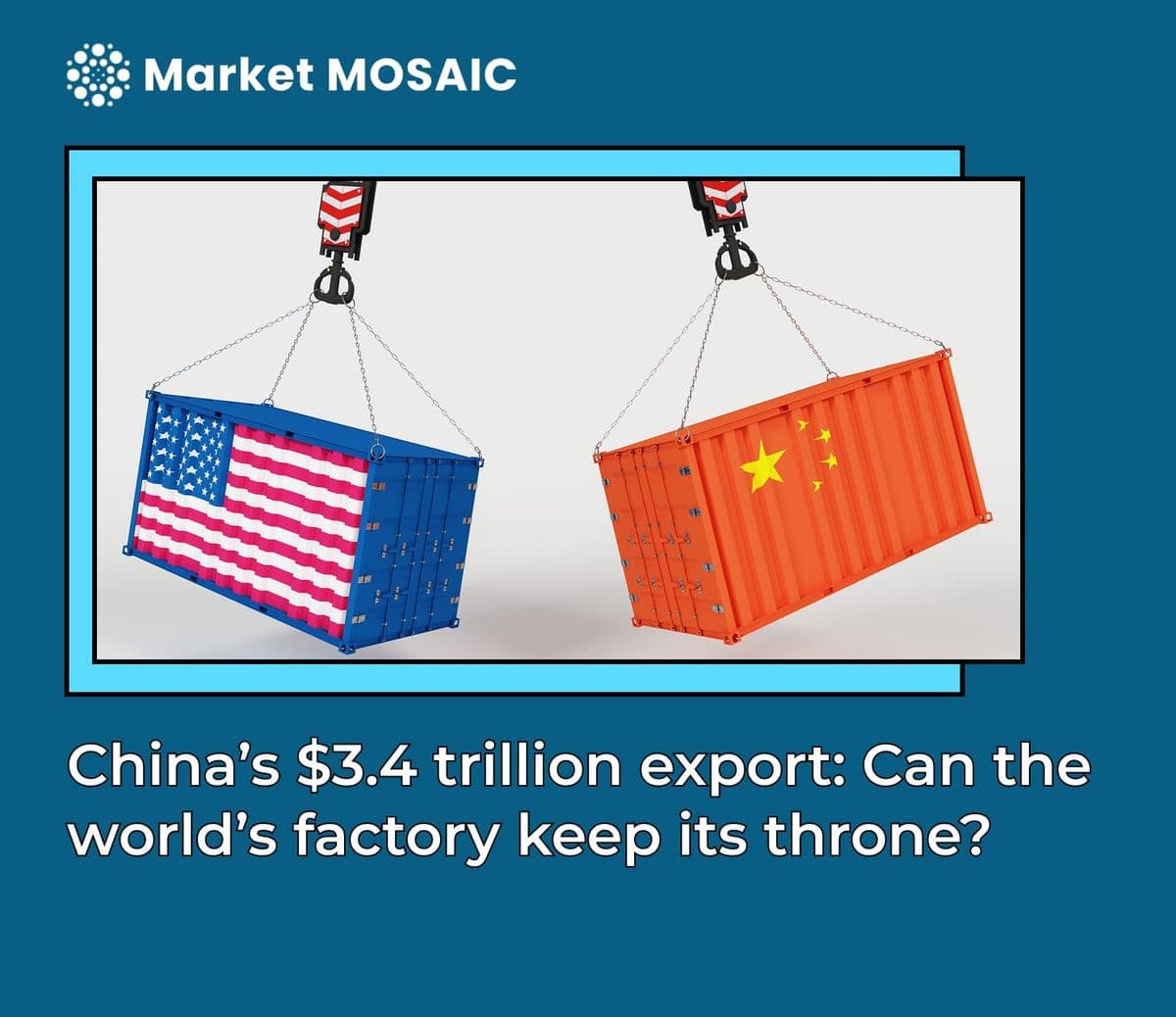
China's $3.4 trillion export: Can the world's factory keep its throne?
In 2000, China ranked seventh among the world's exporters, contributing $249 billion to global merchandise trade. Just over two decades later, it stands atop the leaderboard, with exports reaching a staggering $3.4 trillion in 2023. That's a 13.6x leap, compared to the global average.
Benedicta PhilemonDecision Intelligence Analyst
How Chinese cloud giants are outpacing U.S. rivals in the Middle East
Huawei's launch of its ultralow-latency cloud data center in Saudi Arabia represented more than a technological milestone, it was a bold declaration in the global race for digital dominance, shaking the foundations of a market long ruled by Western giants. Over the last six months, Chinese cloud providers have
Benedicta PhilemonDecision Intelligence Analyst
What real interest rates are secretly telling you about the global economy
Across the global economy in 2025, interest rates around the world are telling very different stories. In Russia, businesses face a 14.5 percent real interest rate, a signal of monetary tightening. In contrast, Japan's negative 2.1 percent rate reflects years of effort to spark demand.
Benedicta PhilemonDecision Intelligence Analyst
Dunzo's 15-minute fall: what India's delivery pioneer collapse means for quick commerce
In 2021, Dunzo was the face of convenience in India promising deliveries in under 15 minutes and redefining last-mile logistics. Backed by Google and Reliance, it embodied the promise of quick commerce: speed, convenience, and scale. By early 2025, the same company was collapsing under the weight of unpaid employees.
Benedicta PhilemonDecision Intelligence Analyst
Panic buying rises amid economic uncertainty
Last month, U.S. retail sales rose by 1.4 percent, with a 4.2 percent increase year-over-year. At first glance, these numbers might signal strong consumer confidence. But a closer look reveals a more urgent and complex story, one driven by anxiety rather than optimism. Consumers are not spending
Benedicta PhilemonDecision Intelligence Analyst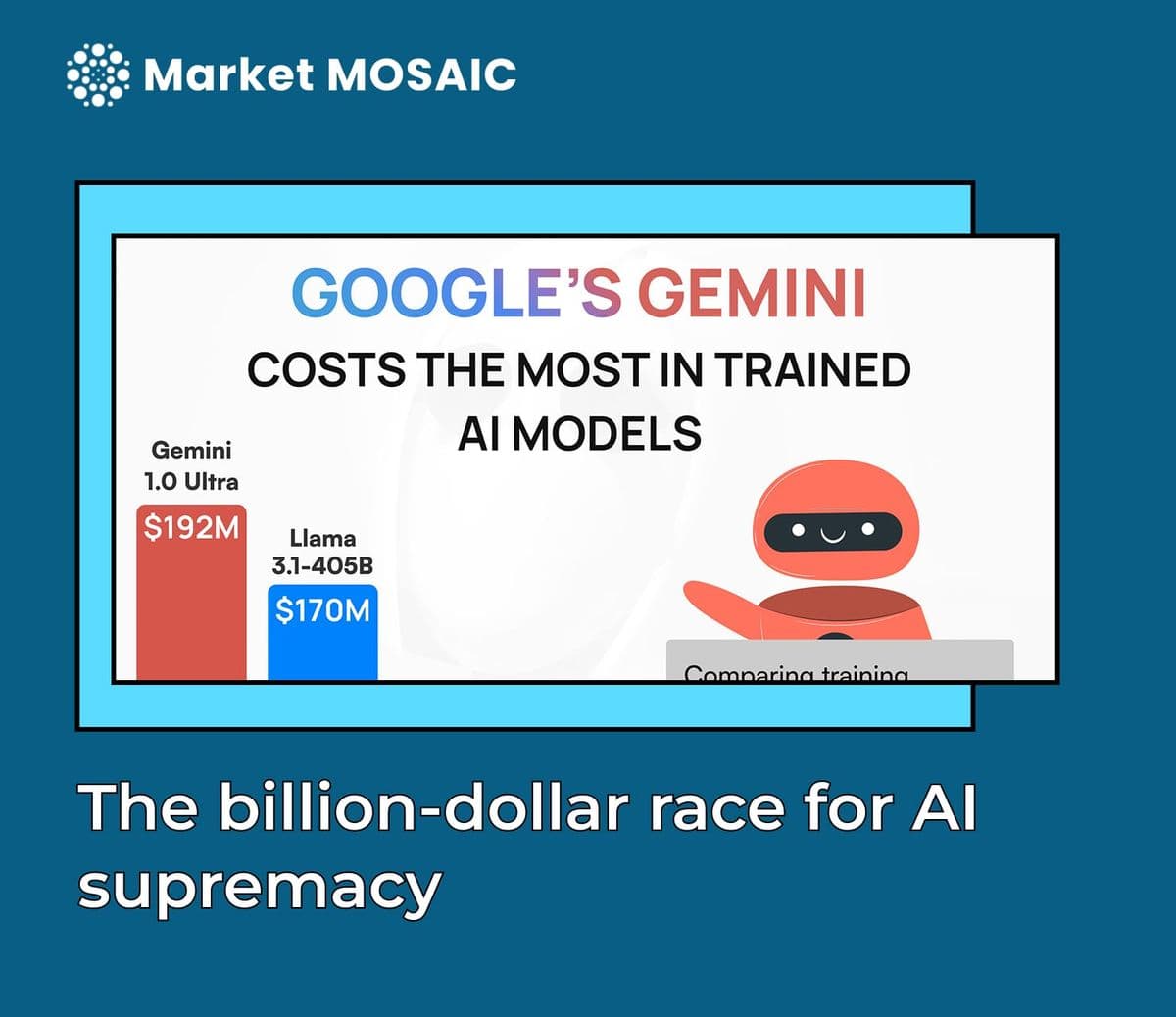
The billion-dollar race for AI supremacy
In recent years, the cost of training large-scale AI models has surged, signaling a dramatic shift in the AI landscape. Google's Gemini 1.0 Ultra model cost $192 million to develop, reflecting the increasing financial barriers to entry, a key factor in strategic business decisions across industries.
Benedicta PhilemonDecision Intelligence Analyst
India's pharmaceutical ascent: how a $65B market is rewriting global healthcare
In the corridors of global pharma strategy meetings, one country's name keeps surfacing: India. By the end of 2025, India's pharmaceutical industry is expected to reach $65 billion, up from $32 billion just five years ago. This is not a routine growth trajectory.
Benedicta PhilemonDecision Intelligence Analyst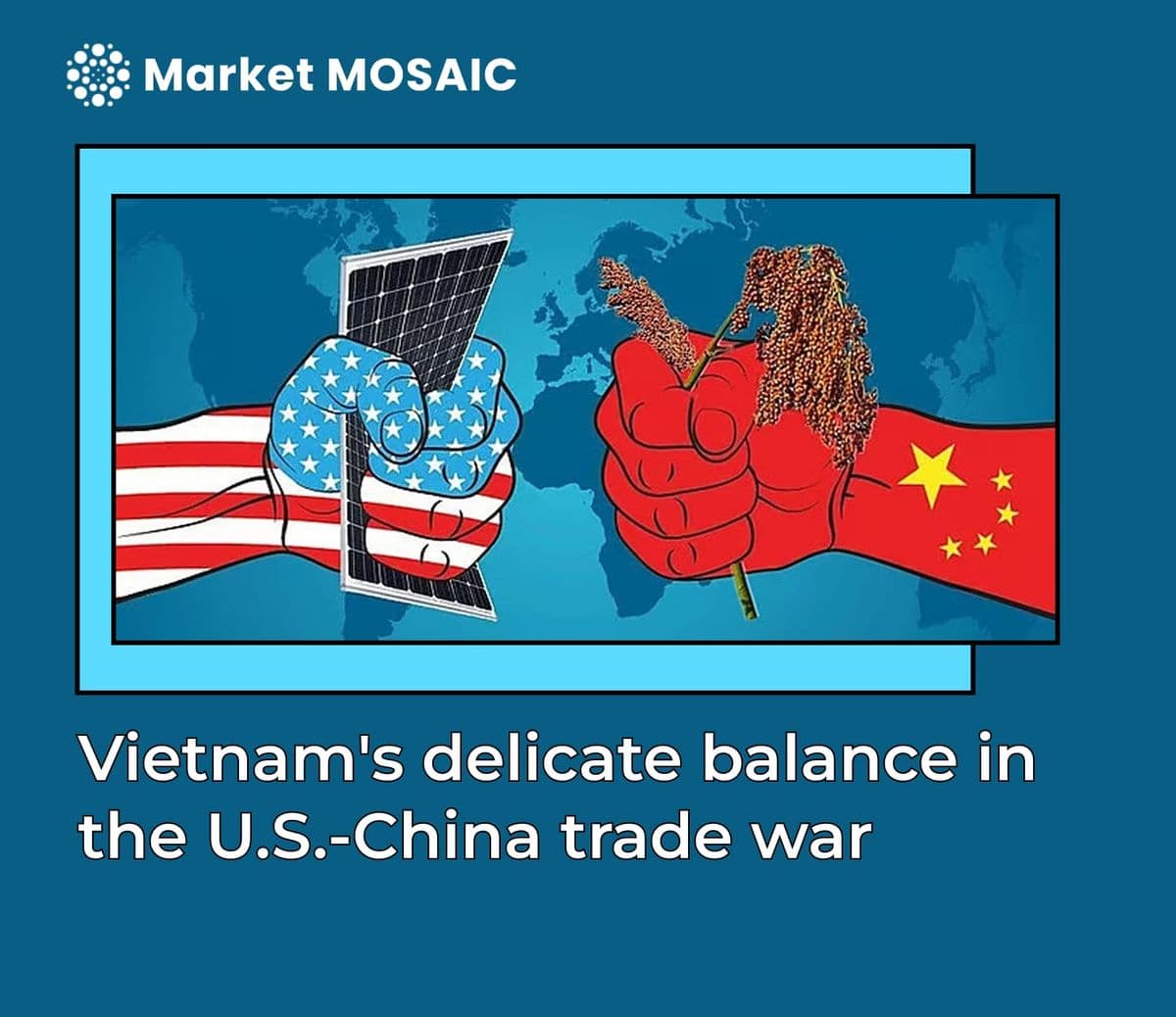
Vietnam's delicate balance in the U.S.-China trade war
Vietnam, once celebrated as a rising manufacturing powerhouse in the wake of U.S.-China trade tensions, now faces mounting uncertainty. At the heart of the issue is a proposed 46% U.S. tariff on Vietnamese exports, part of a broader push to address perceived trade imbalances and crack down on transshipment.
Benedicta PhilemonDecision Intelligence Analyst
Temu and Shein rethink growth: why supply chain resilience is the new competitive edge
The U.S. has long allowed packages valued under $800 to enter the country free of tariffs through the de minimis exemption, a critical advantage for platforms such as Shein and Temu. This exemption facilitated a wave of ultra-affordable imports, reshaping how American consumers engage with fashion.
Benedicta PhilemonDecision Intelligence Analyst
Argentina's EV revolution: why Chinese automakers are winning the global price war
In Argentina, the EV market is quietly transforming. A government decision to slash import tariffs has opened the gates for foreign competition and revealed a deeper strategic shift in consumer behavior and global automotive dynamics.
Benedicta PhilemonDecision Intelligence Analyst
China's AI boom: innovation wars as AI in China rises by 142%
Recent growth in China's AI sector demonstrates resilience and adaptability in response to international restrictions on advanced AI chips. Despite limitations on access to high-end semiconductors, Chinese companies have accelerated domestic innovation.
Benedicta PhilemonDecision Intelligence Analyst
How global trade tensions are shaking consumer confidence
Over the past year, global markets have been walking a tight rope. Inflationary pressures, tightening monetary policy, and persistent geopolitical instability have created an uneasy investment climate, further destabilized by new U.S. tariffs.
Benedicta PhilemonDecision Intelligence AnalystRetailers double down on private brands to combat inflationary pressures
Retailers are expanding private label offerings as inflation reshapes consumer spending. Nearly 60% of retailers are enhancing private label products, transforming budget options into strategic business initiatives that build loyalty and margin.
Benedicta PhilemonDecision Intelligence Analyst
Inside the $100 billion bidding war for TikTok
As the U.S. government pushes forward with legislation that could ban TikTok unless ByteDance sells, the global business community is watching one of the most important deals of the decade unfold. With TikTok's valuation near $100B, American firms are scrambling to acquire the platform.
Benedicta PhilemonDecision Intelligence AnalystRetail's crystal ball: how predictive analytics is rewriting the future of commerce
The retail analytics market is projected to explode from $7.56B in 2023 to $31.08B by 2032. This isn't just a trend, it's a strategic transformation. Retailers are trading guesswork for foresight, using predictive analytics to steer smarter decisions.
Benedicta PhilemonDecision Intelligence Analyst
Global markets in turmoil: what it means for businesses and consumers
The first quarter of 2025 upended long-standing market trends. The S&P 500 tumbled 4.6%, its worst since 2022, while European stocks soared. The Stoxx 600 outperformed the S&P by 17 points, the widest gap on record.
Benedicta PhilemonDecision Intelligence Analyst
The AI-energy nexus: how Abu Dhabi's $25B investment will power AI infrastructure
AI is advancing at an unprecedented pace, but behind the scenes a crucial factor is emerging: energy. Abu Dhabi's sovereign wealth fund ADQ launched a $25 billion partnership with Energy Capital Partners to develop 25 GW of US power for data centers.
Benedicta PhilemonDecision Intelligence Analyst
Walmart's slowdown: a warning sign or a smart strategy?
When the world's largest retailer signals caution, the global economy pays attention. Walmart's latest forecast projects only 3-4% sales growth for the year, a sharp decline from last year's 5.1%. The impact was immediate.
Benedicta PhilemonDecision Intelligence Analyst
The consumer spending slowdown: what it means for businesses and CEOs
A shift is happening in consumer behavior. Apparel spending is down 12% year-over-year, luxury in-store purchases dropped 9.3%, and grocery shopping patterns are shifting toward cheaper proteins. Shoppers are tightening wallets and prioritizing value.
Benedicta PhilemonDecision Intelligence Analyst
Why is Apple losing billions on streaming? The answer might surprise you.
Apple TV+ is projected to lose $1-2B annually, yet Apple invests $5B+ per year in premium content. With 45M subscribers and under 1% of TV viewership, it trails Netflix (260M+) and Prime Video (200M+), but Apple's strategy isn't streaming dominance.
Benedicta PhilemonDecision Intelligence Analyst
Retail sales trends: a shift in consumer behavior
February's retail sales report shows a slowdown, sales increased just 0.2% vs the expected 0.6%. January was sharper, with 1.2% decline, the steepest in three years. But consumers aren't disappearing, they're adapting and shopping smarter.
Benedicta PhilemonDecision Intelligence Analyst
Future-proofing your business: consumer megatrends to watch in 2024
In 1999, few could foresee the metamorphosis tech and smartphones would catalyze. The 2020s will usher equally seismic shifts shaped by evolving values. Three megatrends, trust, service bundling, sustainability as identity, will redefine strategy.
Joseph RutakangwaCo-founder & CEO, Rwazi
Navigating international expansion with data-driven market entry strategy
Fortune 500 enterprises generate over 30% of revenue from international markets. For ambitious multinationals not going abroad, getting left behind is a defining risk. But 1 in 3 multinationals report failed international entries averaging $480M.
Joseph RutakangwaCo-founder & CEO, Rwazi
Optimizing pricing and distribution with local market intelligence
Imagine planting distribution flags across Vietnam and Thailand. You've performed demographic studies and visited key cities, but you're still missing the critical data: hyper-local intel on true economic realities facing your target customers.
Joseph RutakangwaCo-founder & CEO, Rwazi
Unlocking emerging market growth with global consumer insights
Launch a product in West Africa and miss cultural traditions, or invest in Southeast Asia and miss pricing expectations, sales sputter and revenue evaporates. These misfires happen too often without deep cultural context and nuanced local intel.
Joseph RutakangwaCo-founder & CEO, Rwazi
Best practices for sentiment analysis
Understanding consumer sentiment is critical in any industry where brands and customer experiences reign. In the era of big data, new techniques empower companies to sense attitudes, emotions, and opinions at unprecedented scale.
Joseph RutakangwaCo-founder & CEO, Rwazi
How to conduct customer journey mapping
When prospects and customers interact with your brand, they take a journey spanning multiple touchpoints and channels. It's no longer sufficient to map within siloed channels, understanding the unified, end-to-end journey has become imperative.
Joseph RutakangwaCo-founder & CEO, Rwazi
Testing new products with predictive analytics
Introducing a new product requires substantial investment, yet many launches still fall flat. Over 80% of new consumer products fail each year, leading to an estimated $200B in overspend. Predictive analytics changes the math.
Joseph RutakangwaCo-founder & CEO, RwaziTop data sources for competitive intelligence
In today's hyper-competitive business landscape, timely insights on what rivals are planning can be the difference between outmaneuvering them or being outmaneuvered. The right mix of data sources turns competitive intelligence from rumor into strategy.
Joseph RutakangwaCo-founder & CEO, Rwazi
Optimizing pricing strategies with demand modeling
Pricing is a perennial challenge. Too high and you lose customers; too low and you leave money on the table. Demand modeling turns pricing from intuition into a data-driven engine, and lifts premium revenue by 35% when done right.
Joseph RutakangwaCo-founder & CEO, Rwazi
Supply chains get smarter: how AI is reshaping logistics
Global supply chains stand at an inflection point. Technology advances, geo-economic tensions, and sustainability concerns are sparking multifaceted efforts to strengthen worldwide logistics resilience, efficiency, and localization.
Joseph RutakangwaCo-founder & CEO, Rwazi
The power of demand modeling for optimized pricing
Finding the optimal price point to maximize revenues while maintaining volume is a persistent challenge. Advanced demand modeling techniques empower brands to make pricing decisions with scientific precision, a 5% adjustment swings profits 22%+.
Joseph RutakangwaCo-founder & CEO, Rwazi
The coming inflection point for oil markets
A major demand shift is building as EV adoption reaches an inflection point. Rwazi's proprietary survey across 15 Chinese cities reveals EVs likely accounting for 32% of auto sales by 2025, far outpacing previous projections.
Joseph RutakangwaCo-founder & CEO, Rwazi
The transformative potential of AR/VR for market research
Augmented and virtual reality are unlocking powerful new capabilities for market researchers. By enhancing emotional engagement, replicating real-world complexity, and providing agile prototyping, AR and VR reshape research methodologies.
Joseph RutakangwaCo-founder & CEO, Rwazi
The growing power of sentiment analysis
Understanding consumer emotions towards brands is now crucial. Sentiment analysis is transforming market intelligence by exposing how people truly feel. Advanced text analytics, facial coding and machine learning uncover the drivers hidden within data.
Joseph RutakangwaCo-founder & CEO, Rwazi
Crafting customer personas for effective personalization
Customer personas are vital to delivering personalized experiences that build loyalty and affinity. Based on deep market intelligence, detailed personas enable hyper-targeted personalization across the customer lifecycle.
Joseph RutakangwaCo-founder & CEO, Rwazi
Using market intelligence to anticipate disruption in retail
Seismic changes are disrupting the retail landscape. While daunting, leaders can leverage market intelligence to foresee threats and uncover strategic opportunities. The future belongs to firms that face disruption head-on. Pinpoint Emerging Competitors As purchasing shifts online, agile digital competitors are stealing share. Firms should continuously analyse web traffic, search
Joseph RutakangwaCo-founder & CEO, Rwazi
The future of market research: emerging trends and innovations
The market research industry, worth $80B globally, is being transformed rapidly. From leveraging AI to decentralizing data collection, three key trends disrupt traditional techniques and drive insights that are faster, cheaper, and more personal.
Joseph RutakangwaCo-founder & CEO, Rwazi
Supply chain technology disruptions: automation and resilience innovations
Investments in supply chain tech are accelerating as firms address fragility exposed by recent shocks. Warehouse automation grew 15% YoY in 2022, with double-digit upticks in order-tracking and risk mitigation tech adoption.
Joseph RutakangwaCo-founder & CEO, Rwazi
2024: buckle up, market mavericks, it's gonna be a wild ride
Happy New Year, fellow market sleuths! Can you feel that electric hum in the air? That's the collective buzz of opportunity, the sweet symphony of potential, the undeniable thrum of 2024 finally arriving. We at Rwazi are practically vibrating with excitement – and we're here to share the infectious joy (and
Joseph RutakangwaCo-founder & CEO, Rwazi
Rwazi Mappers' Empowerment Extravaganza of 2023
As we bid farewell to 2023, the Rwazi Team is thrilled to share the journey of empowering individuals across Africa and Asia through mapping and gig opportunities. From 18 countries to massive fests, here's the recap.
Joseph RutakangwaCo-founder & CEO, RwaziSegment your way to success: a practical guide to market segmentation
Market segmentation isn't a fancy term, it's a powerful tool to unlock your business's potential. Understanding your customers deeper lets you tailor offerings, refine marketing, and accelerate growth. This guide walks through every key step.
Joseph RutakangwaCo-founder & CEO, Rwazi
Don't just segment, conquer: understanding different market segmentations
One-size-fits-all marketing is over. Understanding your audience on a deeper level is the key to success. Market segmentation divides your target market into distinct groups based on shared characteristics, here's how to use every type.
Joseph RutakangwaCo-founder & CEO, Rwazi
Market segmentation: unlock the marketing matrix and hit your target audience
Ever feel like you're shouting into the void when marketing your product? In today's diverse market, a one-size-fits-all approach doesn't cut it. Market segmentation is your secret weapon for reaching the right people with the right message.
Joseph RutakangwaCo-founder & CEO, RwaziThe marketer's crystal ball: how consumer insights fuel marketing magic
Ever feel like your ads are landing with a thud instead of a bang? In the crowded marketplace, grabbing attention and making a lasting impression is harder than ever. Consumer insights are the secret weapon that gives campaigns the edge.
Joseph RutakangwaCo-founder & CEO, Rwazi
Omnichannel marketing: the ultimate guide to creating a seamless customer journey
Consumers expect a seamless, consistent experience across every channel they interact with a brand. Omnichannel marketing transforms customer journeys into unified experiences that drive loyalty, advocacy, and business success.
Joseph RutakangwaCo-founder & CEO, Rwazi
Thriving in inflation: value-driven strategies for FMCG success
The FMCG industry sits at a crossroads in today's economic climate. Inflation, persistent and global, is wreaking havoc on consumers and producers, demanding innovative solutions to keep value, volume, and margin intact.
Joseph RutakangwaCo-founder & CEO, RwaziEvolving with the market: AI and ML unlock new levels of FMCG market intelligence
Sophisticated supply chain management is vital in FMCG given high volume and rapid turnover. AI and ML are unlocking new levels of market intelligence, turning forecasting, packaging, and distribution from guesswork into proactive decision-making.
Joseph RutakangwaCo-founder & CEO, Rwazi
Beyond the surface: how consumer insights fuel product development success
Understanding your customers is no longer a luxury but a necessity. Consumer insights, the deep understanding of customer needs, behaviors, and motivations, are the cornerstone of successful product development.
Joseph RutakangwaCo-founder & CEO, Rwazi
Climate change: navigating innovation and sustainability in FMCG
Climate change is a double-edged sword for FMCG, both a major contributor to emissions and a sector deeply exposed to its impact. Companies that embrace sustainable innovation gain competitive edge while ensuring long-term resilience.
Joseph RutakangwaCo-founder & CEO, Rwazi
Data-driven insights for NGO excellence: maximizing impact through market intelligence
In the dynamic NGO world, the ability to gather, analyze, and interpret data has become invaluable. Market intelligence and analytics, when integrated into NGO operations, unlock informed decisions, enhanced programs, and bigger impact.
Joseph RutakangwaCo-founder & CEO, Rwazi
Navigating the FMCG pricing maze: harnessing market intelligence for data-driven decisions
In the dynamic world of consumer goods, pricing shapes brand perception, drives sales, and determines profitability. FMCG pricing is especially crucial, high volume, low margins, fierce competition. Striking the right balance is everything.
Joseph RutakangwaCo-founder & CEO, Rwazi
Navigating the market research landscape: key trends to watch in 2024
Market research plays a pivotal role in shaping strategic decisions. As we step into 2024, the landscape is poised for transformation, driven by technological advancements, changing consumer behavior, and the need for deeper insights.
Joseph RutakangwaCo-founder & CEO, Rwazi
The digital shelf: how e-commerce is reshaping FMCG
The FMCG industry has long been a cornerstone of daily life, from toothbrushes to snacks. But the digital era is reshaping the shelf entirely, demanding new omnichannel, data-driven, and customer-centric playbooks.
Joseph RutakangwaCo-founder & CEO, Rwazi
How Fast-Moving Consumer Goods (FMCGs) are Adapting to Changing Consumer Behaviour
FMCGs are everyday products with rapid turnover. As consumer behaviour shifts toward health, sustainability, personalization, and digital channels, brands from Unilever to Coca-Cola are reformulating products, integrating tech, and rebuilding supply chains.
Joseph RutakangwaCo-founder & CEO, RwaziUnlocking Business Growth: The Role of Market Intelligence in Market Entry Strategies
Market intelligence turns market entry from guesswork into strategy, informing competitor analysis, cultural localization, financial readiness, and risk mitigation as businesses move into new geographies.
Joseph RutakangwaCo-founder & CEO, Rwazi
West Africa's Fast-growing Market Expansion: Trade, Investment and Opportunities
West Africa's ECOWAS markets, Nigeria, Ghana, Senegal, Côte d'Ivoire and beyond, are scaling fast on rising middle-class demand, digital adoption, and agri/energy investment. Real opportunity, real obstacles.
Joseph RutakangwaCo-founder & CEO, Rwazi
Leveraging Consumer Insights to Enhance Customer Experience.
Consumer insights drive sharper customer experience, fueling service quality, AI-enhanced personalization, and a measurable ROI lift. Brands using insights effectively report 85% higher sales growth.
Joseph RutakangwaCo-founder & CEO, Rwazi
Bridging Continents: The Silent Boom in US-Africa Remittances
Rwazi data on 1,500 US-Africa remittance senders reveals patterns: 48% favor cash pickup, 52% stick to a single platform, 70% transfer to family. A diaspora corridor with deep loyalty and untapped product space.
Joseph RutakangwaCo-founder & CEO, Rwazi
Unlocking the Cash Paradox: A Glimpse into Tanzania's Evolving Payment Landscape
Tanzania's payments tell a story of tradition meeting digital: ATM transaction values 44× card transactions, businesses leading the POS push, Visa dominant but Mastercard rising. Debit dominates; credit lags.
Joseph RutakangwaCo-founder & CEO, Rwazi
Consumer Desires Unveiled: The Surprising Now, Next, and Future Trends!
Five global consumer trends are reshaping markets: Personalization, People's Power, Chronic Fatigue, Global Localism, and Mindful Consumption. Each demands new brand playbooks built on real consumer signals.
Joseph RutakangwaCo-founder & CEO, Rwazi
Sip by Sip: Revealing South Africa's Fascinating Beer Consumption Patterns
Rwazi tracker data uncovers South Africa's beer drinkers in detail: 24% are aficionados (6-9 bottles/week), 21% social connectors, taste drives 21% of purchase decisions, and 20% spend over R1,000/month on beer.
Joseph RutakangwaCo-founder & CEO, Rwazi
Can African Consumers Be Understood?
In our latest episode, Lemuel Abishua and Alexia Yun joined us in a conversation on understanding data in the context of the African consumer. We share their insights below. Lemuel Abishua and Alexia Yun are product managers at The Room. The company is on a mission to build a global
Joseph RutakangwaCo-founder & CEO, Rwazi
Is Data Important for African Markets?
In the most recent video on our Data Byte Series, we engage various stakeholders within the African market to discuss the role of data in their day-to-day business operations. Below are some of the key takeaways : Data empowers young startups to understand their target markets and customize their value proposition
Joseph RutakangwaCo-founder & CEO, Rwazi
Packaging as a Marketing Tool: Adding Value Beyond the Product
Packaging in emerging markets is no longer just protection, it's a marketing surface. Dual-purpose containers, QR codes, community events, and sustainable materials turn packaging into engagement.
Joseph RutakangwaCo-founder & CEO, Rwazi
Experience is King: The Key to Unlocking Consumer Loyalty
Consumers buy experiences, not just products. CPG brands from Hint Water to Cholula bake experience into packaging and brand, and use consumer insight to build loyalty that outlasts price competition.
Joseph RutakangwaCo-founder & CEO, Rwazi
The Power of the Purse
Women control over $30 trillion in global consumer spending today, rising to $40 trillion by 2030. CPG brands that decode female consumer behaviour win disproportionate share, and miss it at their peril.
Joseph RutakangwaCo-founder & CEO, Rwazi
2023 Consumer Trends in Emerging Markets
Inflation reshaped consumer behaviour across Africa, Latin America, Eastern Europe, and ASEAN-6 in 2023. Currency pressure, supply chain disruption, and shifting purchase preferences redefined emerging-market trends.
Joseph RutakangwaCo-founder & CEO, Rwazi
Gig Economy to grow by 17%: Opportunities and Challenges in the Developing World.
The gig economy is set to reach 80M+ workers in Africa by 2030. Platforms like Uber, Jumia, and Wave reshape work, creating income for many while leaving most without benefits, stability, or skill-building paths.
Joseph RutakangwaCo-founder & CEO, Rwazi
Economic GDP in Africa, Factors Behind Them.
Africa's GDP totaled $2.7T in 2021. Nigeria, South Africa, and Egypt account for ~50% of continental output. Services drive most major economies, but distribution gaps and sector concentration remain.
Joseph RutakangwaCo-founder & CEO, Rwazi
Over $80 Billion Worth in Movement of Goods and Services on Africa's Roads.
80% of goods and 90% of passenger movement in sub-Saharan Africa runs on roads, $69B+ in trade. But poor infrastructure and unpaved networks hold growth back across DRC, Liberia, Somalia, and others.
Joseph RutakangwaCo-founder & CEO, Rwazi
Can You 'Gig It'?
The term ‘gig economy’ is something that has been trending for a while, especially during and after the COVID-19 pandemic. If you’ve been curious about it, then voila! You are in the right place! The gig economy has been around for ages. The term ‘gig’ in ‘gig economy’ dates
Joseph RutakangwaCo-founder & CEO, Rwazi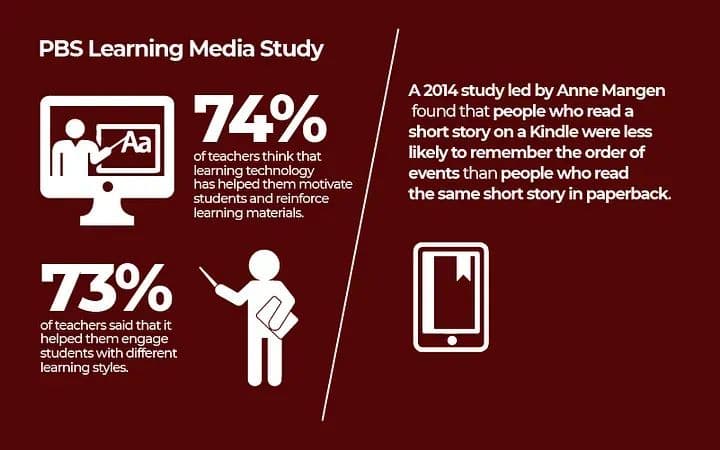
How Technology Has Changed How We Learn
Technology reshaped how we learn, convenience, global community, content filters, and an "external brain" replacing memory. Virtual learning extends both who can learn and how long.
Joseph RutakangwaCo-founder & CEO, Rwazi
How to Acquire Knowledge in the Digital Age
From YouTube and podcasts to TikTok and self-paced courses, the digital age multiplied how we learn. Edutainment, niche blogs, and on-demand platforms turn knowledge into something always within reach.
Joseph RutakangwaCo-founder & CEO, Rwazi
Is "Mobile money" becoming the new normal in Africa?
Sub-Saharan Africa hit 548M mobile money accounts in 2020, 43% growth, the world's highest. COVID accelerated a shift Bain projected at 57% of transactions by 2025. Africa is going digital, fast.
Joseph RutakangwaCo-founder & CEO, Rwazi
Digital Networking
Networking shifted from rooms full of handshakes to screens full of faces. Virtual networking lifts barriers, brings introverts forward, and opens markets that travel and budgets used to lock out.
Joseph RutakangwaCo-founder & CEO, Rwazi
Africa & Data
Africa's data gap is structural: only 39 of 54 countries completed a census in the last decade, and just 6 of 17 SDGs have sufficient data. Closing the gap unlocks investor confidence and growth.
Joseph RutakangwaCo-founder & CEO, RwaziSee Rwazi data on industry categories.
Live walkthrough of Sena's consumer intelligence on the markets that matter to you. 15 minutes, no sales pressure.